
Water Softener Not Working? 7 Signs Your Home Has Hard Water Again
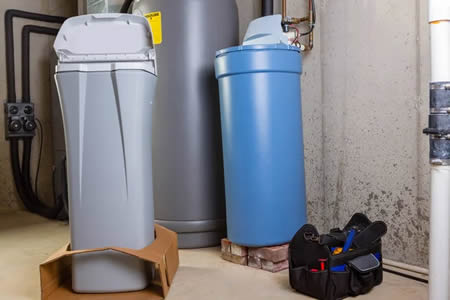
If your showers feel different or your faucets look chalky, your softener may be slipping. Below are the most common water softener repair signs St. Charles homeowners notice first, plus what they mean for your plumbing and appliances. If any of these sound familiar, schedule service for your home’s water softeners with Go Time Plumbing so your water gets back to feeling right.
Why Hard Water Sneaks Back in St. Charles Homes
St. Charles, MO water can vary by neighborhood and season. Summer lawn watering and guests increase water use, which can outpace an older or undersized system. Winter dry air can encourage salt clumping in some setups. Homes along Historic Main Street and older streets near Lindenwood often have aging plumbing that shows scale faster than newer builds in places like New Town or Cottleville.
If your family has grown, you installed a new soaking tub, or you added a high‑flow shower, your softener may need recalibration or a system upgrade. A pro from Go Time Plumbing can evaluate sizing, settings, and media condition, and can also check if you would benefit from added water filtration systems for taste or odor issues.
Seven Clear Signs Your Water Softener Isn’t Doing Its Job
1. Spots and Film Return on Dishes and Glass
Cloudy glasses and white spots in the dishwasher are classic hard water symptoms. If rinse aid no longer helps, minerals are likely slipping past the resin. You might also see a white ring where water dries in the sink or on countertops.
2. Soap Doesn’t Lather and Your Skin Feels Dry
Soft water helps soap bubble and rinse clean. When hardness creeps back, shampoo feels stubborn and showers leave a filmy feel. If family members start reaching for more lotion than usual, that’s a practical sign the softener needs attention.
3. Chalky Scale on Faucets and Shower Doors
Scale shows up fastest where water evaporates. Watch for a gritty white crust around faucet bases and a dull haze on glass. In kitchens, kettle elements may build a crust faster, and coffee makers can taste off.
- faucet aerators collecting gritty flakes
- white rings at sink drains and fixtures
- shower glass that hazes over within days
4. Laundry Feels Stiff and Colors Look Dull
Hard water can make towels scratchy and reduce the life of fabrics. Detergent efficiency drops, so clothes may not feel fully clean even with the same settings and products.
5. Water Heater Sounds Different or Runs Longer
Mineral buildup can settle in tanks and around heat exchangers, making your system work harder. If you hear more rumbling than usual or hot water recovery feels slower, hardness could be part of the story. Addressing softening performance protects your equipment and helps it run closer to design efficiency.
6. Salty Taste, Slippery Feel, or Rapid Salt Use
A sudden salty taste or very slick feel in the shower can point to a brine or regeneration issue. If you are hauling more salt than normal but seeing no improvement in water quality, the system likely isn’t cycling or exchanging ions as intended. Don’t ignore sudden changes in taste or texture because they often signal a component that needs professional testing.
7. Blue‑Green or Reddish Stains and Slow Faucets
While copper or iron staining can have several causes, recurring stains paired with slow faucet flow often appear where hardness has been back for a while. Aerators and cartridges may be catching scale. If your faucets slow down quickly after cleaning, call a pro before deposits damage valves and seals.
What These Signs Mean for Your Plumbing and Appliances
Hardness minerals collect everywhere water touches. Over time that can wear out seals, clog small passages, and force pumps and heating elements to work harder. The result is more frequent part replacements and a higher chance of breakdowns during busy seasons, like holiday gatherings or summer parties in St. Peters and O’Fallon.
Think of it like cholesterol in plumbing. You won’t always see it, but it quietly narrows pathways and stresses equipment. Catching hard water symptoms early protects your dishwasher, washing machine, coffee maker, and especially your water heater. It also keeps fixtures looking newer, which matters if you plan to list your home or just finished a bathroom refresh.
Why Softener Performance Can Slip Over Time
Even quality systems need care. Resin beads can foul, settings can drift, and prefilters can load up with sediment. Changes in household size or usage can also outgrow the original setup. In homes west of I‑70 or near new developments, construction activity can stir fine sediment that makes its way to your fixtures if your softening and filtration aren’t tuned together.
Another factor is water chemistry. Some homes benefit from pairing softening with carbon filtration for chlorine and taste concerns. When you schedule a visit with Go Time Plumbing, we check the full path of your water, not just the softener. A quick professional assessment now prevents bigger headaches later.
What To Watch This Week If You Suspect Hard Water
Before your appointment, simply observe. You don’t need to take anything apart or try a fix. Note patterns and share them with your plumber:
- are spots or haze back within a day or two of cleaning surfaces
- does soap take more to lather or rinse off
- are towels scratchy and colors duller than usual
- do faucets slow down again soon after you clean aerators
These details help your tech pinpoint whether the issue is sizing, settings, media condition, or another water quality factor that needs a targeted solution.
Local insight: in hot St. Charles summers, higher water use can trigger more frequent softener cycles, and in winter, dry conditions can worsen salt clumping in some systems. Keeping an eye on sudden shifts in water feel or taste between seasons helps you catch problems early.
Professional Next Steps for St. Charles, MO Homeowners
Your best next step is a whole‑home evaluation. Our licensed plumbers check softness at multiple fixtures, confirm regeneration timing, and verify that valves and bypasses are set for your current household usage. If your water also needs point‑of‑use filtration for taste, odor, or chlorine, we’ll recommend options that pair well with softening so everything works as a team.
If you’re noticing any of the seven signs above, schedule service for your home’s water softeners and let Go Time Plumbing handle the testing and fine‑tuning.
When To Call A St. Charles Plumber
Call when multiple signs show up at once, when salty taste appears out of the blue, or when you’re using more salt with no improvement. A pro visit is also smart before hosting out‑of‑town guests or after adding a large water‑using feature. If your tech recommends it, upgrading to a modern metered system can match regeneration to real usage and better handle lifestyle changes. For drinking water quality concerns, many St. Charles families also add reverse osmosis at the kitchen sink for a crisp finish while the softener handles hardness for the whole home.
Your Path Back To Better Water
Great water should be simple. If you’re ready for consistent results, start with a trusted local team. Learn more about our category services under water filtration systems, or talk with a plumber who knows St. Charles homes inside and out by calling 314-591-0479. For broader plumbing needs beyond softening, Go Time Plumbing is your one call for expert help.
Want a quick refresher on the warning signs and who to call? Keep this page bookmarked and share it with neighbors. To learn more about water softener repair signs and whole‑home water quality, our team is here to help, answer questions, and get your home back to comfortable, reliable water.