
Pipe Repair vs. Pipe Replacement in St. Charles, MO: How to Choose the Right Fix for Your Home
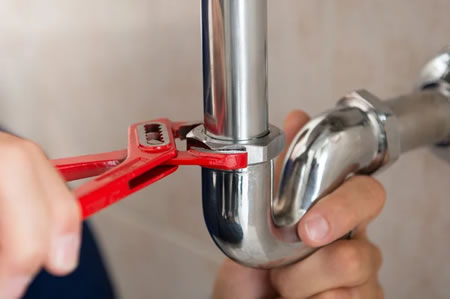
When a pipe starts leaking, most St. Charles homeowners want the fastest safe solution. The challenge is deciding between a targeted repair or a full replacement. This guide explains how pros make that call, what signs to watch for in our local homes, and how to protect your plumbing long term. If you are already weighing options, our pipe repair and replacement page outlines how Go Time Plumbing approaches these jobs with clear steps and workmanship you can trust.
For a quick overview of pipe repair St. Charles, MO homeowners search for most, keep reading. You will learn the difference between short-term fixes and long-term value so you can choose with confidence.
What “Repair” and “Replacement” Really Mean
Pipe Repair
Repair focuses on the damaged section only. A plumber isolates the trouble spot and restores the line’s function by patching, coupling, or swapping a short length of pipe. This option aims to stop a specific leak or crack without altering the rest of the system.
Pipe Replacement
Replacement removes a larger run or an entire system branch that is worn out or unsafe. It solves recurring failures by installing new pipe material that meets current best practices. Replacement takes more time upfront but can prevent repeat issues.
How Pros Decide: The Four-Part Assessment
Licensed plumbers use a simple framework to recommend the right fix:
- Age and material of the pipe: galvanized steel, copper, CPVC, or PEX each age differently.
- Location and access: behind tile, above finished ceilings, under a slab, or in an unfinished basement.
- Failure pattern: one isolated leak versus multiple leaks across different spots.
- Risk to the home: potential for hidden moisture, mold, or future bursts during winter freezes.
In many St. Charles homes built before the 1990s, materials and water quality play a role. Our mineral-rich water can leave scale inside lines over time, and freeze-thaw cycles add stress in crawlspaces and exterior walls.
Signs a Simple Repair Is the Smart Move
Repair is often recommended when the issue is localized and the rest of the line looks healthy. Common green lights for repair include:
- A single pinhole leak on a newer copper or PEX line with no history of problems.
- Accidental damage from a nail or screw during a remodel where the pipe is otherwise sound.
- A loose or failed fitting at a transition that can be cleaned and properly reconnected.
One-off leaks on newer piping rarely point to system-wide failure. In those cases, a focused fix can be reliable and budget friendly without tearing into finished spaces more than necessary.
When Replacement Protects Your Home Better
Replacement is usually the better call when the pipe itself is nearing the end of its life or when leaks repeat:
Recurring leaks usually signal corrosion or brittle pipe walls. If you have had more than one leak in the same run, the odds of another one nearby go up. Full or partial repiping can stop the cycle, reduce emergencies, and stabilize water pressure.
Other clear flags for replacement include:
• Widespread discoloration of water, flakes, or metallic taste that persists after flushing
• Visible rusting, pitting, or dimpling along long sections of pipe
• Frequent banging or pressure swings that loosen aging joints
• History of winter freeze issues in exterior walls or uninsulated crawlspaces
Many older houses near Historic Main Street, Frenchtown, and St. Charles Hills still have lengths of galvanized or mixed materials. Old galvanized lines often benefit from upgrading to modern materials that resist corrosion and handle temperature swings better.
Pipe Materials You Are Likely to See in St. Charles, MO
Galvanized Steel
Common in mid-century homes, galvanized steel rusts from the inside out. Flow slows over time, and leaks form at threads or thin spots. If multiple leaks appear, replacement is the safer path.
Copper
Copper performs well but can develop pinholes from pitting corrosion. If the pipe is relatively new and the leak is small, a short section swap may be all you need. On older copper with repeat pinholes, a larger replacement reduces future risk.
CPVC
CPVC is light and quiet but can become brittle with age or heat. Cracking at fittings is a common failure mode. Widespread brittleness favors replacement over piecemeal fixes.
PEX
PEX is flexible, resists freeze damage better than rigid pipe, and installs with fewer joints. Leaks often come from a stressed fitting rather than the pipe itself. Repairs are practical unless there is a manufacturer-specific defect or widespread installation issue.
Root Causes: Corrosion, Water Quality, and Soil Movement
Corrosion and scale often come from minerals in hard water. Over many years, buildup narrows the pipe and can trigger pitting in copper or rust in galvanized steel. If you notice spotted fixtures or filmy dishes, that is a clue your water is hard. Adding or improving filtration can help protect new piping. Learn how cleaner water supports plumbing health by exploring our water filtration systems.
In some parts of St. Charles, clay-heavy soil and seasonal rains cause slight foundation shifts. That movement can stress lines passing through slabs or tight chases. Hairline cracks may start small yet lead to hidden moisture, which is why thorough testing matters before closing walls.
How Pros Confirm the Right Fix
Your plumber will combine visual checks with tools to see what is happening beyond the surface. Moisture meters, thermal imaging, and camera inspection help locate leaks and assess the full run of pipe. The goal is to confirm if the damage is isolated or system-wide.
We also consider fixture count and demand. If your kitchen remodel in New Town added a pot filler and a second dishwasher, aging supply lines may strain to keep up. Right-sizing the replacement during a planned project prevents pressure drops later.
Repair or Replace: A Quick Decision Guide
Use this simple framework during your consultation to understand the recommendation you receive:
- If the pipe is newer and the leak is caused by a clear, isolated event, repair is likely.
- If multiple leaks have happened across the same branch, expect a replacement discussion.
- If the pipe material is at the end of its expected life, replacement adds reliability and value.
- If access is tight behind finished tile, a strategic replacement can minimize future openings.
Every home is different, and final decisions depend on layout, materials, and your long-term plans for the property.
What About Long-Term Value?
Most homeowners want the fix that will last without creating new headaches. Replacement costs more upfront than a small repair, but it often lowers the chance of future leaks that require cutting finished ceilings or walls a second time. It can also improve water clarity and pressure if old pipes were restricting flow.
Think about timing. If you plan a bathroom update near Lindenwood University or a kitchen refresh off Elm Street, pairing that work with targeted repiping may reduce overall disruption. You already have walls open, permits for the remodel, and a plan for finishes. Knocking out two goals at once makes sense.
Seasonal Factors in St. Charles
Our winters bring sharp temperature swings. Pipes that run through attics, crawlspaces, and exterior walls face extra stress. Insulation helps, but older metal lines are still vulnerable. Spring rains can reveal slow leaks as musty odors or ceiling stains after long wet weeks. Summer humidity hides moisture problems inside tight cavities and under vinyl flooring.
Because of these cycles, many homeowners schedule repairs in early fall before the first hard freeze. That timing reduces emergency risk and helps you plan around holidays. If a leak pops up in January, urgent service is the priority, and your plumber will steer you to the safest fix for the season.
Why Water Quality Matters To Your Decision
St. Charles area water is considered hard, which means minerals can collect inside pipes and fixtures. Over years, mineral scale narrows openings and stresses joints. If you invest in new piping, protecting it with filtration is a smart step. Cleaner water helps fixtures last longer and can keep new copper or PEX in better shape.
How Go Time Plumbing Approaches Your Home
First, we listen. What happened, where did you see water, and how old is the home. Then we test. We document what we find and explain options in plain language, including the pros and cons of repairing versus replacing. There is no pressure, only clear choices that fit your goals.
If repair is best, we match materials and methods to your system for a clean, durable finish. If replacement is smarter, we plan the route, protect floors and furnishings, and coordinate with your schedule. We keep communication simple so you know what happens each day.
Common Questions Homeowners Ask During a Visit
Will a Repair Last?
Yes, when the rest of the line is healthy. A properly installed coupling or short section replacement can perform like the original pipe. If we see hints of widespread wear, we will tell you and explain next steps.
Do I Need to Replace the Whole House?
Not usually. Many projects replace only the affected branch, such as the kitchen supply, upstairs bath, or laundry run. Strategic sections can deliver most of the benefit without opening every wall.
What About Water Pressure and Taste?
Replacing clogged or corroded lines can boost pressure and improve clarity. Pairing new pipe with better filtration keeps those gains longer and reduces scale on fixtures and appliances.
Repair vs. Replacement: Quick Clues From Your Home
Use these homeowner-friendly clues during your walkthrough with the plumber:
Brown water or flakes at multiple fixtures usually point to pipe deterioration. That often supports a replacement plan. A lone drip at a single elbow, especially on newer piping, tends to be a repair job. In homes near Fox Hill Park or along Zumbehl Road, we often see mixed piping from past projects. Your plan may combine a short repair now with a staged replacement later.
Next Steps if You Suspect a Leak
Do not ignore the early signs. Water stains on ceilings, spongy baseboards, a musty smell near the laundry, or a spike in your water bill all deserve attention. A fast, accurate diagnosis prevents bigger problems.
If you are ready to act, visit our page on pipe repair and replacement to see how the process works from first call to final cleanup. You can also browse filtration options to support the new work if minerals are part of the problem.
Choose The Right Fix With Confidence
Whether you live near Frenchtown’s historic blocks, the newer homes in Charlestowne, or a mid-century ranch off Droste Road, you deserve a plumbing plan that fits your home and your timeline. Go Time Plumbing will help you compare risks, lifespan, and disruption so you can pick a repair or replacement that holds up through winter freezes and summer storms.
Have questions or need fast service today? Call 314-591-0479 to speak with a friendly scheduler, or get started online. When you want a clear recommendation and careful workmanship, choose Go Time Plumbing for reliable pipe repair or replacement that protects your home.