
Gas Line Safety for Homeowners in St. Charles, MO: When to Replace, Repair, or Upgrade
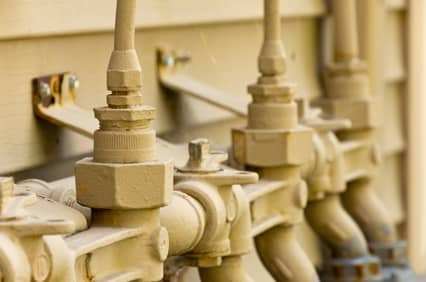
If you’re thinking about gas line safety in St. Charles, MO, you’re already taking a smart first step. Natural gas powers everyday comfort, yet it requires careful design, pro-grade materials, and routine attention to stay safe. This guide explains when a repair makes sense, when a full replacement is wiser, and when an upgrade protects your home’s future. For help from a local team that handles planning, testing, and final checks, see our gas lines service page. You can also learn more about our plumbing services in St. Charles, MO, and how they can benefit your entire home.
How Gas Line Safety in St. Charles, MO Affects Your Home
Homes near the Missouri River and across neighborhoods like New Town and the Historic Frenchtown area experience temperature swings, spring storms, and shifting soils. These conditions can stress buried piping, old fittings, and appliance connectors over time. Older properties may still rely on legacy materials or layouts that no longer match today’s appliances. Newer builds can face issues too if flexible connectors are kinked, outdated, or undersized.
Good safety planning looks at the full system, not just a single appliance. That means checking the gas meter location, the main shutoff, appliance valves, regulators, and the size of lines feeding stoves, furnaces, fireplaces, and water heaters. A well-designed network helps each appliance get the right fuel flow, even during peak winter demand.
Signs You May Need Repair or Replacement
Some warning signs are obvious. Others are quiet and easy to miss. If you notice one or more of the items below, call a licensed pro right away for testing and diagnosis.
- A strong “rotten egg” odor or a consistent gas smell inside or outside
- Hissing or whistling near a pipe, connector, or appliance
- Soot, scorch marks, or unusual warmth on walls or cabinets near gas lines
- Pilot lights that go out often or burner flames that turn yellow and flicker
- Unexplained higher gas bills without a change in usage
- Visible corrosion, dents, kinks, or cracked sealant on fittings
If you smell gas, leave the home at once and contact your utility or emergency services before calling a contractor. Do not use light switches, phones, or anything that could create a spark until you are safely outside. After the area is cleared, a professional can pressure test the system and locate the source of the leak. For broader system needs, explore our core category in plumbing to see how everything in your home works together.
Repair, Replace, or Upgrade: How Pros Decide
Not all gas line issues need full replacement. Trained technicians consider age, material type, condition, system layout, and future appliance plans before recommending a path. The goal is to fix today’s concern while strengthening safety and performance for the long run.
Typical decision points include:
- Repair: Localized damage on otherwise solid piping or a single failed connector
- Replace: Widespread corrosion, repeated leaks, or undersized lines that cannot keep up
- Upgrade: New appliances, added BTU load, or a remodel that changes venting and location
Material matters too. Black iron, steel, and modern flexible systems each have different requirements for support, routing, and bonding. Layout changes that reduce joints, shorten runs, and improve access often boost safety and reliability. Any time appliances are added or relocated, a full review of capacities and shutoffs helps prevent nuisance shutdowns and poor combustion.
Shutoff Valve Basics Every Homeowner Should Know
Every home has a main shutoff outside at or near the meter, and individual shutoff valves at each appliance. These valves allow a professional to isolate lines for testing, repairs, or appliance replacement without taking the whole house offline. Labels or tags help everyone know which valve serves which appliance.
Do not operate a gas valve you are unsure about. If a valve is stiff, corroded, or unclear, leave it as is and call a professional to inspect it. During inspections, a tech can confirm valve condition, replace worn handles, and ensure valves are accessible and properly oriented. Clear access around valves is a simple safety win.
Safe Appliance Upgrades and When They Trigger Gas Line Work
Upgrading a gas range, furnace, fireplace insert, or water heater is common in growing areas like St. Charles, St. Peters, and Weldon Spring. Newer models are often more efficient, but they may need different fuel pressures, venting, or connector types. If you are adding a high-output cooktop, a tankless water heater, or a standby generator, a pro will confirm that your line sizes and regulators are ready for the added demand.
Appliance changes that most often drive gas line work include:
- Switching to a higher-BTU range or adding a second oven
- Converting from storage to tankless water heating
- Adding a gas fireplace insert or outdoor kitchen line
- Installing a whole-home generator that needs a dedicated supply
Connector quality is just as important. Approved flexible connectors reduce stress on appliance connections and help protect against vibration and small movements. Never reuse damaged or dated connectors, and never hide connectors inside walls or cabinets. When you plan an upgrade, ask your pro to review venting and combustion air so the whole system stays balanced.
“Gas Smell” Doesn’t Always Mean a Leak, But It Always Means Act
The odorant added to natural gas smells like sulfur or rotten eggs. Sometimes lingering odor can come from a recently lit pilot, a stove that was bumped, or an extinguished flame. None of these should be ignored. When in doubt, get outside and call your utility from a safe location. After the site is safe, a licensed technician can test the system, inspect appliance valves, and verify ventilation and combustion.
Maintenance and Safety Habits That Reduce Risks
Simple habits help protect your family and your home. These steps are about awareness and planning rather than DIY repair.
Schedule a professional gas line check once a year, ideally before the winter heating season. The visit should include pressure testing, visual inspection of exposed piping, review of connectors, and a look at shutoff valves for each appliance. If you own a historic home, ask for extra attention on older joints and transitions.
Other smart habits include:
- Keep areas around furnaces, water heaters, and ranges clear for ventilation
- Replace appliance connectors when you upgrade the appliance
- Install UL-listed natural gas detectors near sleeping areas and appliances
- Know where your main shutoff is located and keep it accessible
Yard projects deserve care, too. Call your utility before any deep digging so buried lines are marked. Avoid placing heavy planters, sheds, or new decking directly over known line routes. If you hire contractors for landscaping or fencing, make sure they understand where gas lines run.
Shutoff Valve Basics vs. Professional Service
It helps to know the purpose of valves, yet the safest move is to let a professional operate or service them. Valves that feel stuck, leak at the stem, or lack clear labeling should be left alone. Technicians carry the right tools, thread sealants, and testing equipment to confirm a tight, reliable seal after any adjustment.
For more practical homeowner learning, browse our plumbing tips archive. You’ll find seasonal reminders and safety-first advice written for local homes and weather.
Planning for Future Appliances and Remodels
Kitchen and bath remodels often change where appliances sit and how much fuel they need. A rework is the best time to shorten runs, reduce fittings, and bring the system up to current best practices. That way, your new layout performs well under load, and you avoid nuisance issues like weak burner flames or frequent resets.
Think about how your household might grow in the next five to ten years. If you plan to add a finished basement, an outdoor kitchen, or a workshop heater, sizing lines now can spare you a second round of work later. Good planning turns a one-time project into a lasting safety and comfort upgrade.
Why Choose Go Time Plumbing for Gas Lines in St. Charles, MO
Local homes deserve local experience. Our technicians work on historic cottages, mid-century ranches, and new builds across St. Charles and nearby communities. We focus on careful evaluation, clear explanations, and clean workmanship that respects your home. We never recommend work you do not need, and we never cut corners on safety.
From leak detection to full system upgrades, Go Time Plumbing handles layout, materials, and testing to deliver a reliable result. If you are comparing options, start with a professional evaluation so you know exactly what your system needs. Call us at 314-591-0479 to schedule a visit or talk through your plans.
Your Next Safe Step
If you have concerns today or you’re planning an appliance change, reach out before the next cold snap. A quick inspection can prevent downtime and give you peace of mind for the season ahead. Learn how our gas lines team serves St. Charles homes with testing, upgrades, and safe installations, then connect with Go Time Plumbing at 314-591-0479 to get started.